The “Humanization” of Pets & Premiumisation: When Companionship Becomes Lifestyle
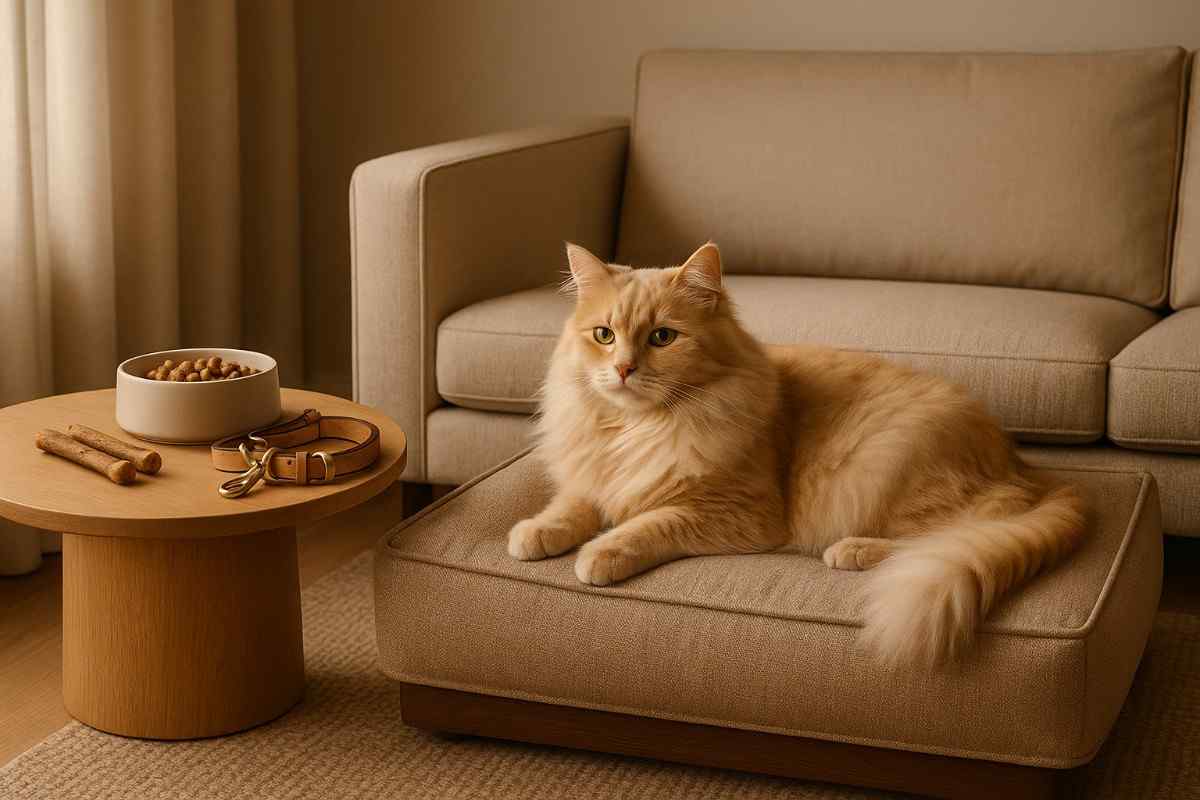
They’re no longer just pets — they’re family. From organic treats and luxury grooming spas to designer collars and health-monitoring wearables, our relationship with animals has transformed dramatically in the last decade.
Welcome to the era of pet humanization and premiumisation, where caring for cats and dogs (and even hamsters and parrots) mirrors the care we give ourselves — emotionally, socially, and materially.
This shift isn’t just a trend. It’s a reflection of deeper cultural values: empathy, wellness, personalization, and connection.
From Companions to “Fur Babies”: The Emotional Shift
In the past, pets were often seen as loyal companions or helpers — guardians, mousers, herders. Today, they occupy an entirely new role: emotionally central members of the household.
People now talk about “pet parenting,” not ownership. They celebrate birthdays, hold adoption anniversaries, and include pets in family portraits and vacations.
According to industry research, over 70% of pet owners consider their pets “as much family as any human member.” This emotional elevation drives the growing demand for premium pet products, services, and experiences.
It’s not just about love — it’s about identity.
Caring for a pet has become an expression of lifestyle, values, and even personal brand.
The Rise of Pet Premiumisation
Premiumisation refers to the growing consumer desire for higher-quality, ethically sourced, and aesthetically pleasing products — even if they come at a higher price.
In the pet world, this trend has created an entire ecosystem of elevated products and experiences:
-
Gourmet & Functional Nutrition
- Grain-free, human-grade pet foods.
- Supplements for digestion, coat health, and anxiety.
- Fresh or customized meal delivery subscriptions.
-
Luxury Accessories & Apparel
- Designer leashes, harnesses, and pet outfits from high-end brands.
- Personalized collars and fashion-inspired accessories.
- Seasonal collections that match owner wardrobes.
-
Wellness & Healthcare Innovations
- Pet fitness trackers and DNA testing kits.
- Organic grooming products and veterinary telehealth services.
- Wearables for monitoring sleep, diet, and mood.
-
Experiential Lifestyle
- Luxury pet hotels, “paw-cations,” and day spas.
- Social events, pet cafés, and pet-friendly resorts.
- Photo shoots and personalized social media branding.
The Psychology Behind Pet Humanization
At its core, the humanization of pets is about emotional fulfillment. In a fast-paced, digital world, pets offer something increasingly rare — unconditional presence and connection.
- Emotional Support: Pets provide comfort, reduce loneliness, and improve mental health — a bond that deepened significantly during the pandemic.
- Identity & Self-Expression: How people care for their pets reflects their personal values — from sustainability to wellness and design.
- Social Media Influence: The rise of “petfluencers” and animal-focused content has elevated pets into lifestyle icons and community builders.
The Economics of Love: A Billion-Dollar Industry
The pet care industry now exceeds $200 billion globally, with categories like premium nutrition, healthcare, and fashion growing fastest. Millennials and Gen Z, who often delay marriage or children, are driving this boom — investing deeply in their pets’ happiness and wellbeing.
For these consumers, pets aren’t just animals — they’re emotional anchors and lifestyle companions deserving the very best.
Sustainability and Ethics in Pet Premiumisation
Modern pet owners seek products that align with ethical and environmental values. Brands are responding with sustainable packaging, cruelty-free formulas, and transparent sourcing. The message is clear: luxury and responsibility can coexist.
Conclusion
The humanization and premiumisation of pets mark a cultural evolution — one where empathy meets innovation, and love takes tangible form. Beyond the luxury toys and gourmet treats lies something deeper: a renewed understanding of care, companionship, and connection.
In treating our pets like humans, we may, in fact, be rediscovering what it means to be truly human ourselves.