Social Media & Screen-Influenced Travel: How the Digital Lens Is Shaping the Way We Explore the World
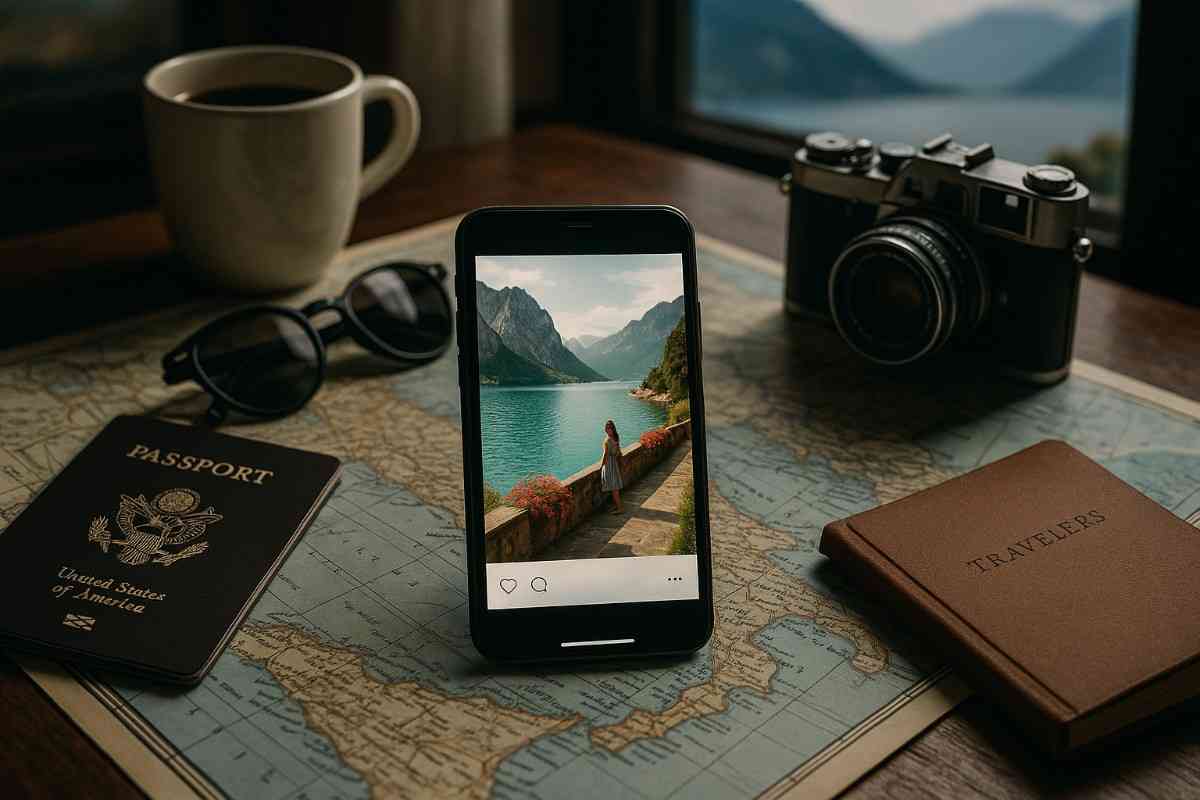
Once upon a time, travel was a deeply personal experience — postcards sent home, journals filled by hand, memories stored quietly in the mind. Today, it unfolds through screens. Our adventures are not only lived but also curated — shaped, filtered, and shared for an audience that spans continents.
Welcome to the age of social media–influenced travel, where destinations rise to fame through hashtags, drone shots, and viral reels. It’s a phenomenon that has redefined how we choose, experience, and remember the places we go.
From Postcards to Posts: The Evolution of the Traveler’s Narrative
The desire to document travel isn’t new. From explorers’ journals to film photography, humans have always sought to preserve the feeling of being elsewhere. But what’s changed in the last decade is the speed and scale of sharing.
Instagram, TikTok, YouTube, and Pinterest have transformed travel into a global conversation — and, for better or worse, into a performance.
Now, travel decisions are driven not just by wanderlust but by visual storytelling. A waterfall in Iceland becomes a must-see after one viral post. A boutique café in Seoul trends overnight because of its aesthetic. Entire towns can be put on the map — or overwhelmed — by the power of a single image.
The Rise of “Instagrammable” Travel
In the age of algorithm-driven discovery, destinations are increasingly chosen for how they look rather than how they feel.
Search any travel hashtag and you’ll see a pattern — colorful backdrops, coordinated outfits, drone perspectives, and captions that blend wanderlust with aspiration.
This aesthetic culture has created what some call “screen tourism” — where travelers visit places made famous by social media, movies, or influencers.
- The “Gates of Heaven” temple in Bali: The famous mirror reflection is actually a photography illusion.
- Santorini’s blue domes: A near-mandatory backdrop for travel influencers.
- Iceland’s plane wreck site: Immortalized through drone footage and cinematic reels.
These destinations aren’t new — but the way we experience them has changed dramatically.
The Psychology Behind Screen-Influenced Travel
Social media taps into two powerful human impulses: inspiration and validation. We see a beautiful destination, feel inspired, and want to recreate that moment. But we also crave recognition — likes, comments, and the affirmation that our experiences matter.
This creates a feedback loop:
- Travelers seek visually appealing experiences.
- They share them online, attracting attention.
- Others follow suit, creating trends.
It’s a digital ripple effect — both empowering and problematic.
The Pros: How Social Media Enriches Travel
- Accessibility of Information: Travelers now discover hidden gems and local businesses they might never have found otherwise.
- Community & Inspiration: Social media connects travelers with like-minded explorers, fostering communities that share tips, safety insights, and sustainable practices.
- Empowerment Through Storytelling: It democratizes travel — allowing anyone with a smartphone to share their story, not just professional journalists or photographers.
- Cultural Awareness: Exposure to global destinations increases curiosity, empathy, and appreciation for cultural diversity.
The Cons: When Screens Distort Reality
- Over-Tourism: Viral fame can bring unsustainable visitor numbers, disrupting local ecosystems and communities.
- Curated Realities: Photos often show perfection — golden sunsets, empty streets — while masking the real experiences of crowds, weather, or fatigue.
- Experience vs. Performance: Many travelers spend more time capturing moments than living them. The question shifts from “How does this feel?” to “How will this look?”
- Homogenization of Travel: As trends spread, travel experiences risk becoming repetitive — the same poses, same cafés, same shots — at the cost of genuine discovery.
A New Mindset: Conscious, Screen-Savvy Travel
Social media isn’t the enemy; it’s a tool. The key is learning to use it mindfully.
- Travel for the story, not the shot. Let the camera follow your curiosity, not dictate it.
- Post with purpose. Share experiences that inspire reflection or education, not just aesthetics.
- Respect privacy and culture. Always ask before photographing people or sacred sites.
- Unplug intentionally. Spend time each day offline — even brief digital breaks deepen connection with place and self.
- Amplify local voices. Use your platform to highlight local artisans, guides, and communities instead of just global trends.
How Screens Are Changing What We Value
Interestingly, social media has also influenced what kind of travel we aspire to. There’s growing interest in:
- Hidden gems and “offbeat” destinations.
- Authentic, slow travel instead of quick content trips.
- Experiential storytelling, where captions delve into emotion and meaning.
In response, creators and brands are moving toward “real-feel travel” — showing the messy, beautiful truth behind the photos. Imperfection has become a new form of authenticity.
The Future of Travel in the Digital Era
As AI-generated imagery and virtual tourism emerge, the relationship between screens and travel will only grow more complex. But the human desire to be there, to feel a place, remains irreplaceable.
The challenge — and opportunity — lies in striking balance: using technology to enhance travel, not replace it.
In the end, no number of likes can compare to the smell of sea air, the taste of unfamiliar food, or the silence of a mountain sunrise witnessed with your own eyes.
Conclusion
Social media has transformed travel from a private experience into a shared performance — but it’s also given us new ways to connect, learn, and dream.
The screen may influence where we go, but the soul of travel still depends on how we experience it.
So, take the photo — but also take a breath. Step beyond the frame, and remember: the world’s true beauty begins where the camera lens ends.