Rasmalai Cheesecake: Where Tradition Meets Indulgence
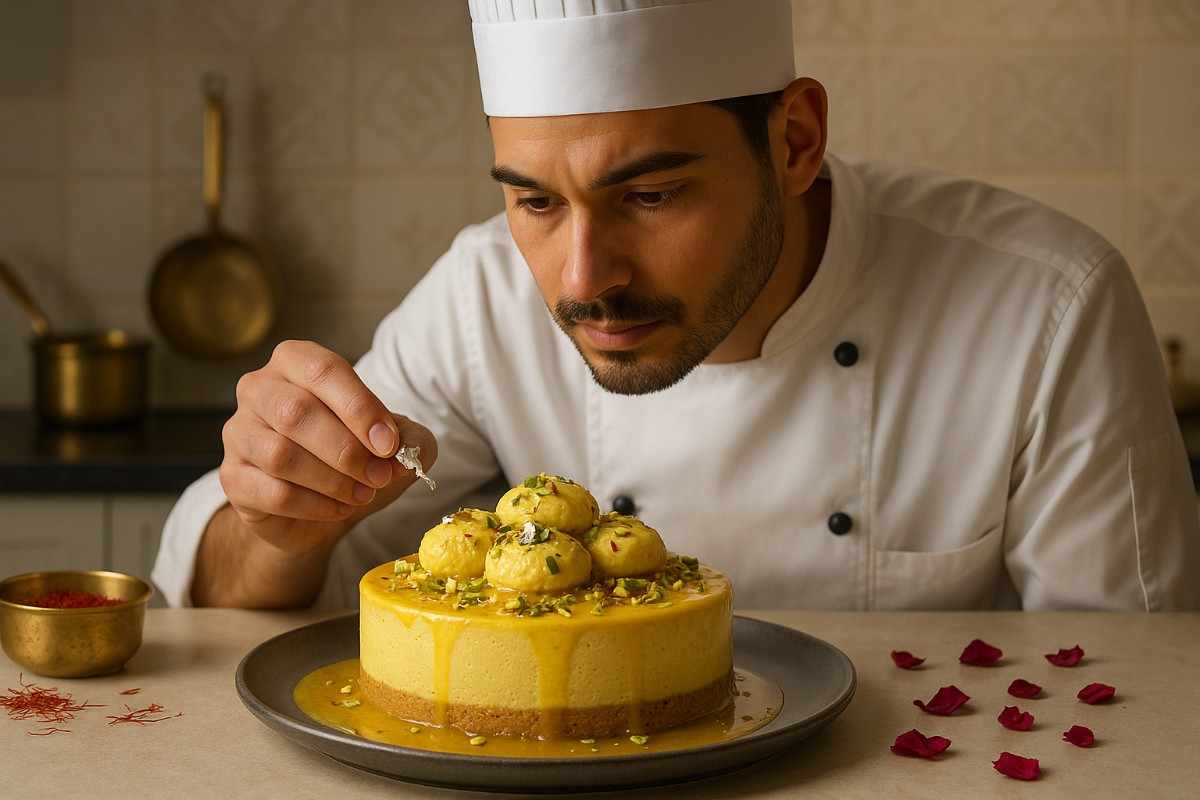
There are desserts that comfort, and then there are desserts that celebrate. Few creations embody both like the Rasmalai Cheesecake — a luxurious fusion of classic Indian sweetness and creamy Western indulgence.
Imagine the delicate saffron-and-cardamom flavors of traditional rasmalai, soaked in sweet milk, reimagined through the silky texture of New York–style cheesecake. The result? A dessert that’s as elegant as it is nostalgic — a perfect harmony of cultures, textures, and taste.
A Tale of Two Worlds
To understand the magic of Rasmalai Cheesecake, you need to appreciate its roots.
Rasmalai, a beloved Indian dessert, originated in Bengal — soft, spongy chenna (cottage cheese) patties soaked in aromatic saffron milk and garnished with pistachios and cardamom. It’s light, floral, and comforting — a staple at celebrations and family feasts.
Cheesecake, on the other hand, traces its history to ancient Greece and later found its creamy perfection in New York, where rich cream cheese and butter biscuits created a global favorite.
When these two iconic desserts meet, something extraordinary happens:
- The airy sweetness of rasmalai balances the dense creaminess of cheesecake.
- The fragrance of saffron and rose elevates the simple dairy richness.
- The nuts and silver leaf garnish turn every slice into a work of art.
It’s not just dessert — it’s a story on a plate.
The Anatomy of Rasmalai Cheesecake
Let’s break down what makes this dessert so special:
The Crust
Typically made with crushed digestive biscuits or nankhatai (Indian shortbread cookies), mixed with butter and a hint of cardamom. It’s the foundation — crunchy, fragrant, and rich.
The Filling
A creamy blend of cream cheese, condensed milk, and rasmalai milk (ras). Some versions even incorporate crumbled rasmalai pieces for texture. A touch of saffron and rose essence adds depth and elegance.
The Rasmalai Layer
Instead of a typical cheesecake topping, soft rasmalai discs are placed gently over the set cheesecake, soaking in flavor overnight. This layer creates that unmistakable “melting in the mouth” effect.
The Garnish
Finely chopped pistachios, almonds, and edible silver leaf (varq) bring a royal touch — a nod to Indian festivity and opulence.
A Flavor Symphony: Why It Works
The success of Rasmalai Cheesecake lies in its balance of contrast:
- Sweet and tangy: The mild tang from cream cheese cuts through the syrupy sweetness of rasmalai.
- Soft and firm: The dense cheesecake base complements the airy, soaked rasmalai.
- Warm and cool: The saffron and cardamom evoke warmth, while the chilled texture refreshes the palate.
It’s a dessert that delights all senses — creamy on the tongue, perfumed in aroma, and golden in color.
Making Rasmalai Cheesecake at Home
Here’s a simplified recipe to recreate this fusion masterpiece:
Ingredients
- 200g digestive biscuits or nankhatai
- 100g melted butter
- 500g cream cheese
- 200ml condensed milk
- 1 cup rasmalai milk (from store-bought or homemade rasmalai)
- 2 eggs (optional, for baked version)
- 1 tsp saffron milk (a few strands soaked in warm milk)
- ½ tsp cardamom powder
- 4–5 rasmalai pieces (sliced or whole)
- Chopped pistachios and almonds for garnish
Steps
- Crush the biscuits and mix with butter. Press into the base of a springform pan. Chill.
- Beat cream cheese, condensed milk, rasmalai milk, saffron, and cardamom until smooth.
- Pour over the crust. Bake at 160°C for 40–45 minutes (or chill overnight for a no-bake version).
- Once set, top with sliced rasmalai and drizzle extra syrup.
- Chill for at least 4 hours. Garnish with nuts and silver leaf before serving.
Fusion at Its Finest
The Rasmalai Cheesecake is more than a dessert — it’s a symbol of culinary evolution. It reflects the modern food lover’s appetite for innovation without losing cultural authenticity. It’s a bridge between tradition and trend — between mithai and modern patisserie.
Chefs across the world now feature Rasmalai Cheesecake in fine-dining menus, Indian weddings, and global dessert buffets. It’s a star attraction — instantly recognizable yet beautifully surprising.
Pairing & Presentation
To elevate your Rasmalai Cheesecake experience:
- Serve it slightly chilled — never frozen.
- Pair it with a warm cup of chai or rose milk for contrast.
- Decorate with fresh rose petals or a drizzle of saffron syrup for elegance.
Every bite becomes a sensory journey — from Bengal’s festive kitchens to Manhattan’s patisserie counters.
Conclusion
Rasmalai Cheesecake isn’t just fusion food; it’s culinary poetry. It takes the essence of Indian celebration — color, aroma, and nostalgia — and wraps it in the creamy sophistication of cheesecake.
It’s the perfect dessert for a modern generation that honors heritage while embracing experimentation. Sweet, fragrant, and utterly decadent — the Rasmalai Cheesecake proves that when East meets West, the result is pure bliss on a plate.