Experience & Culture-First Travel: Rediscovering the World Through Connection, Not Checklists
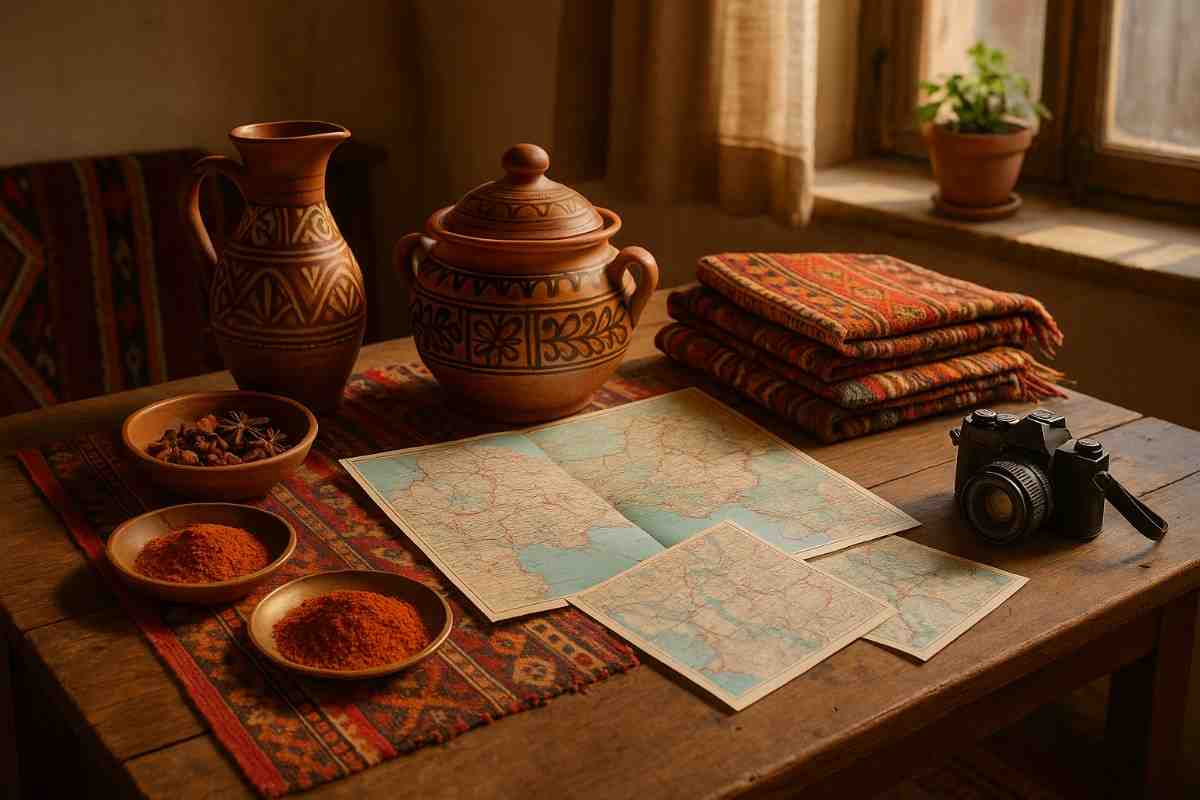
For decades, travel was about destinations — collecting passport stamps, bucket lists, and picture-perfect moments. But something is shifting. Today’s travelers are no longer satisfied with just seeing places; they want to feel them.
Welcome to the era of Experience & Culture-First Travel — a movement that prioritizes authentic human connection, local culture, and meaningful experiences over traditional sightseeing. It’s not just about where you go, but how you experience it.
From Tourist to Traveler: The Evolution of Exploration
Once upon a time, travel was about iconic landmarks — the Eiffel Tower, the Taj Mahal, the Grand Canyon. The goal was to tick off attractions, snap a photo, and move on.
But as the world became more connected — and over-tourism began to take its toll — people started asking a deeper question: What does it really mean to know a place?
The answer gave rise to a new generation of explorers who crave immersion, not itineraries. They want to share meals with locals, learn traditional crafts, and understand the rhythm of life that makes each destination unique.
Experience-driven travel isn’t just about adventure — it’s about empathy, curiosity, and connection.
What Is Culture-First Travel?
Culture-First Travel places local people, traditions, and heritage at the heart of every journey. Instead of visiting destinations as outsiders, travelers become participants in the living culture.
This can mean:
- Learning to cook with a local family in Vietnam.
- Attending a small-town music festival in Ireland.
- Volunteering with artisans in Morocco.
- Taking part in a Japanese tea ceremony — understanding not just the ritual, but its philosophy.
It’s travel that transforms — because it allows you to see the world through someone else’s eyes.
Why This Movement Matters
Connection Over Consumption
Experience-first travel shifts the focus from material souvenirs to emotional ones — conversations, memories, and friendships that last long after the trip ends.
Preserving Cultural Heritage
When travelers engage authentically, they support communities, artisans, and traditions that might otherwise fade away.
Sustainability Through Respect
Cultural travel encourages slower, more mindful exploration — fewer flights, longer stays, and deeper impact.
Personal Growth
Stepping into another culture’s world challenges assumptions, expands empathy, and reshapes one’s worldview in ways no guidebook ever could.
The Rise of Slow Travel
Experience-first travel naturally aligns with slow travel — the idea of spending more time in fewer places.
Rather than racing through multiple cities, travelers stay longer in one region, absorbing its language, food, and rhythm. A week in a Tuscan village or a remote Himalayan valley can offer far richer rewards than a dozen whirlwind city stops.
Slow travel also allows for serendipity — those spontaneous moments that define the best journeys. A local market discovery. A festival you didn’t know existed. A sunrise conversation with a farmer.
These are the experiences that can’t be planned, only lived.
How to Travel with an Experience & Culture-First Mindset
Stay Local
Choose family-run homestays, boutique guesthouses, or eco-lodges over large chains. It keeps your money within the community and opens doors to authentic interactions.
Learn Before You Go
Read about the region’s history, customs, and etiquette. A little knowledge earns a lot of respect.
Eat Where Locals Eat
Skip the tourist menus. Try street food stalls, community cafés, and morning markets. Food is often the most honest expression of culture.
Support Artisans and Traditions
Buy handmade goods, attend local performances, and take workshops that preserve craftsmanship.
Be Curious, Not Critical
Every culture has its rhythm and values. Approach differences with humility, not judgment.
The Emotional Reward: Travel That Changes You
What makes experience-driven travel unforgettable isn’t luxury or logistics — it’s emotional resonance.
It’s that moment when you’re sitting under desert stars listening to folk songs you don’t understand but somehow feel. It’s sharing laughter over broken language in a village café. It’s realizing that “different” doesn’t mean “distant.”
In an increasingly divided world, travel becomes a bridge — reminding us that humanity, in all its diversity, speaks a universal language of kindness and curiosity.
The Future of Travel: Meaning Over Mileage
As travelers seek more purpose-driven experiences, destinations are evolving too. Many communities are building sustainable, culture-centric tourism models that celebrate local heritage while protecting it.
This new way of traveling represents not just a trend, but a cultural shift — one that favors mindfulness, mutual respect, and deeper connection.
The future belongs to those who travel with heart, not haste.
Conclusion
Experience & Culture-First Travel invites us to slow down, listen, and engage — to see travel not as escape, but as exchange.
It’s about walking away from a trip not with souvenirs, but with stories; not with selfies, but with understanding.
Because in the end, the best journeys don’t just change where we go — they change who we are.